Health & Wellness

The Health & Wellness portfolio aims to improve access to quality health services and products, an aim we believe to be a foundational priority for global policy and international development. At gui2de, we leverage rigorous research and behavioral design to scale these high-impact solutions, transforming evidence-based policy into life-saving, localized access. Our evidence-based projects range from supplying helmets to motorcycle riders in Kenya, improving sanitation behavior in poor rural villages on the Rwanda-Congo border and evaluating the impact of mobile phone-based vouchers for maternal care delivered to poor women in Western Kenya.

Research Projects
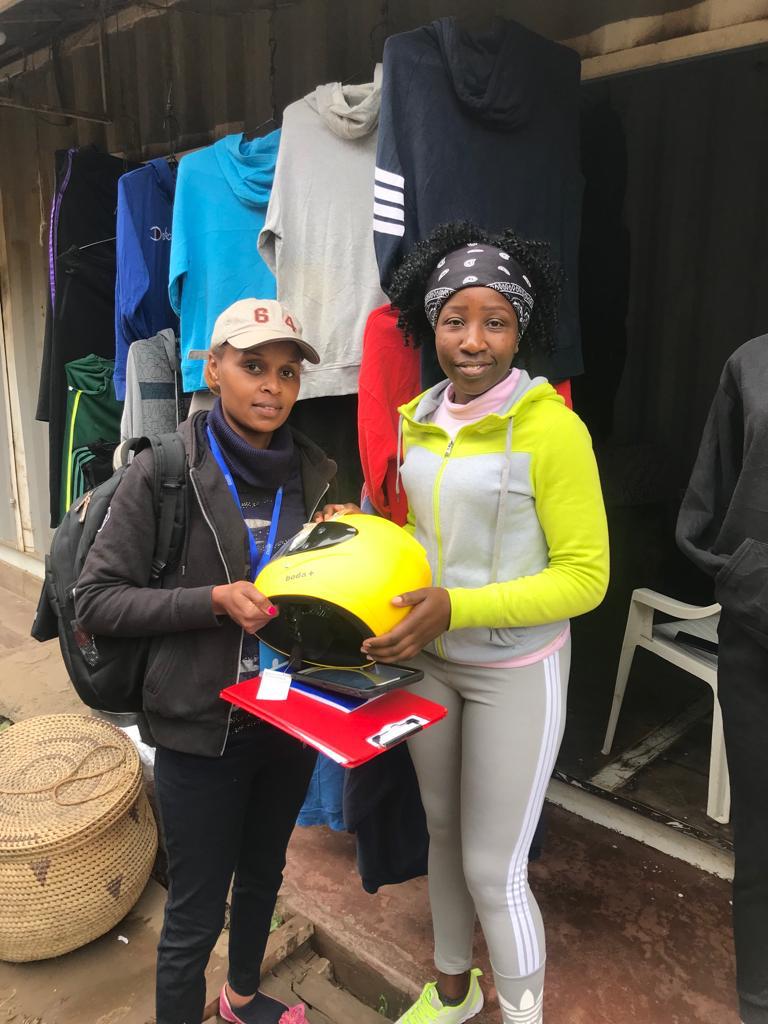
Valuing Health and Safety in Kenya

The Valuing Health and Safety in Kenya program explores how individuals and firms in developing economies make decisions under risk, and what those decisions reveal about the true value of health and safety by studying the barriers that limit access to motorcycle helmets.

Supplying Helmets in Kenya

Additional Projects

In partnership with Changamka MicroHealth Ltd., and with the support of Grand Challenges Canada, we evaluate the impact of mobile phone-based vouchers for maternal care delivered to poor women in Vihiga District, near Lake Victoria in Western Kenya. We aim to increase the timely use of ante-natal care services, and to at least double the share of attended deliveries from a base of about 26%. We target 1,500 women to take part in the randomized control trial, providing some with vouchers for ante-natal care, delivery, and post-natal care, some with transport vouchers, and some with both.

We evaluate the long-term impact of Saude Crianca‘s ‘family action plan’ on the well-being of their graduates. The impact of Saude Crianca is measured in two ways. First, results from a recent survey are compared to indicators both at entry and on graduation from Saude Crianca. Second, the evaluators exploit a statistical matching technique with the help of comparable households hospitalized in Hospital Jesus, another public hospital in Rio de Janeiro.

You can read more about the findings of the evaluation in Saude Crianca’s policy brief and the research report

Read the New York Times feature about Saude Crianca.

With the support of the Bill and Melinda Gates Foundation, we evaluate the impact of an educational program aimed at improving sanitation behavior in poor rural villages on the Rwanda-Congo border. 150 villages are randomly assigned to treatment or control status, and sanitation clubs are set up to deliver simple cartoon-enhanced information to largely illiterate populations.