Rwanda Summer Experience
by Jenna Mazza, MIDP 2026
The first day I arrived in Kigali, there were no cars on the streets. “It’s a car free day!” I was quickly informed. Occurring every other Sunday, these community days are meant to promote fitness and community wellbeing via walking and biking while also reducing pollution. Throughout my summer, I came to learn that this was not a unique event, but an early example of the ethos and values of Rwanda, a welcoming and tight-knit country about the size of Massachusetts and with half the population of my home state of California.
I was working in Rwanda as Professor Andrew Zeitlin’s research assistant, supporting endline data collection and analysis of a four-year study in partnership with the Rwandan Ministry of Education and Innovations for Poverty Action (IPA). My time in Kigali overlapped with the conclusion of a three-year phase of A/B testing on different pay-for-performance teacher contract models to determine the effects of various contract structures on student performance as well as teacher recruitment, effort, and retention. There I worked in Stata and SurveyCTO, applying the core coursework from the McCourt School’s Master of International Development Program to develop enumerator training, conduct incoming data checks, and produce summary statistics to understand initial results and areas for further investigation.
Amid the international development sector’s first year of seismic restructuring, I witnessed firsthand how defunding and shifting priorities has affected Rwandan communities. Grant processing has become even more backlogged, making it difficult to receive funding for existing research and delaying critical components of research such as enumerator training. Public health projects, especially HIV/AIDS prevention, have been largely defunded, creating a large gap for the Rwandan government, NGOs, and regional alliances to address. Nevertheless, I was impressed with how many researchers and healthcare providers I met during my time in Rwanda who are committed to continuing their work despite these challenges.
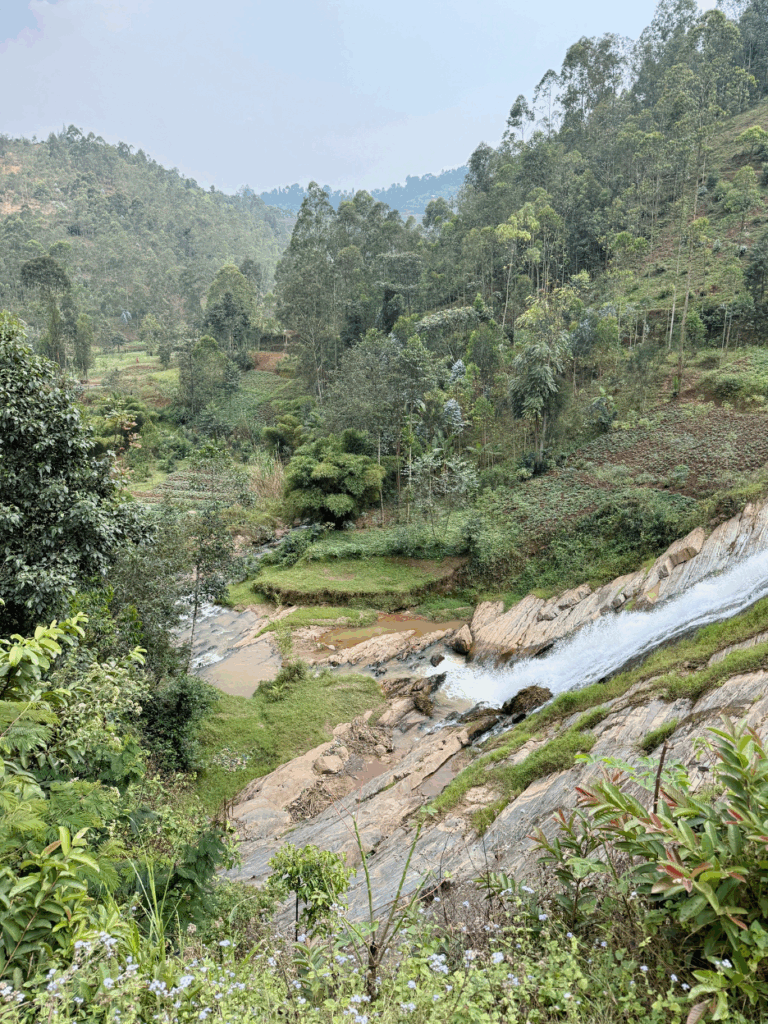
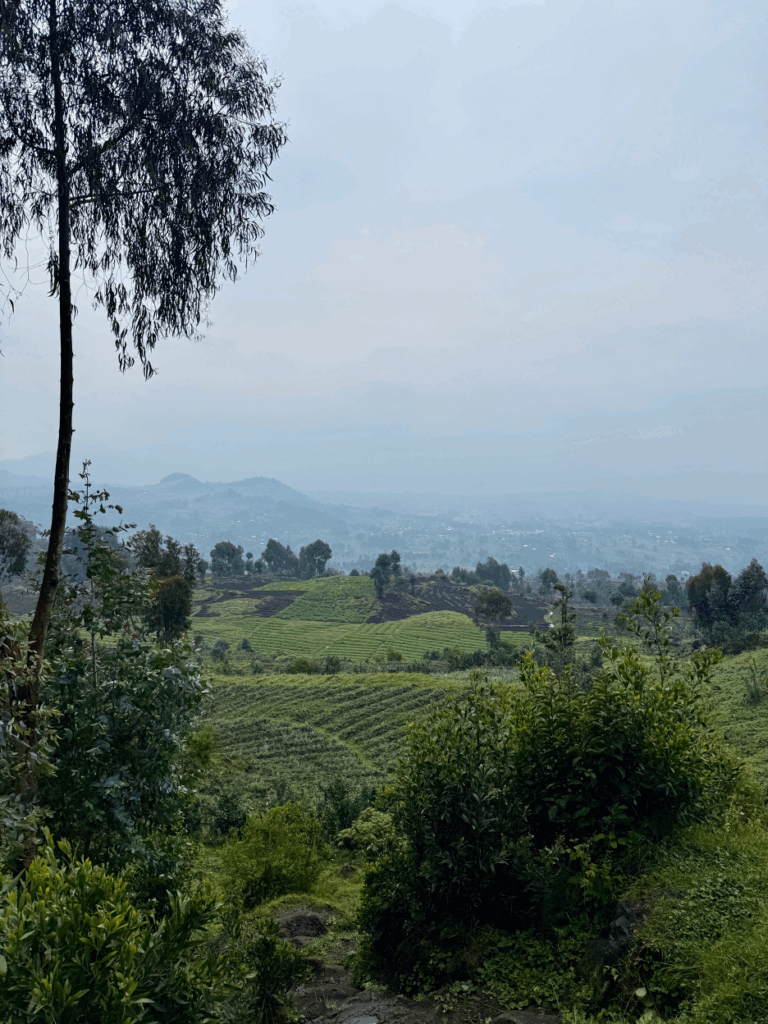
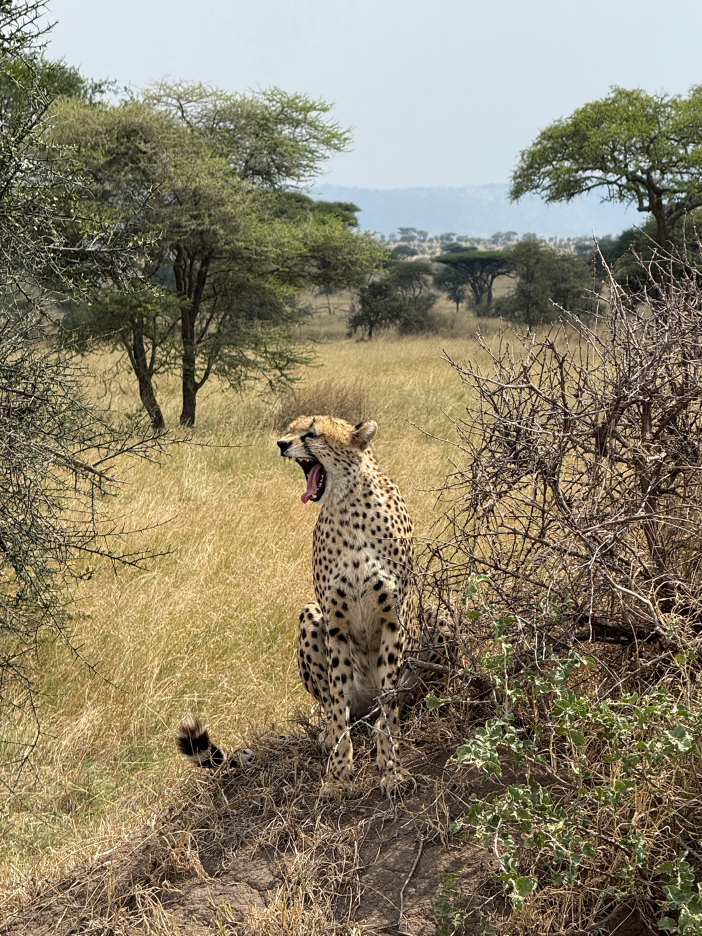
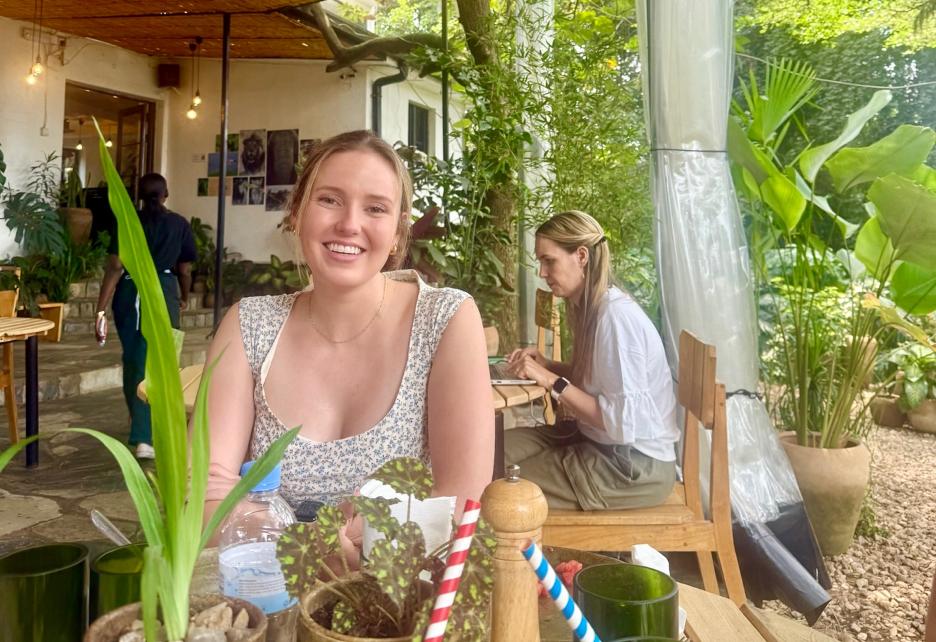
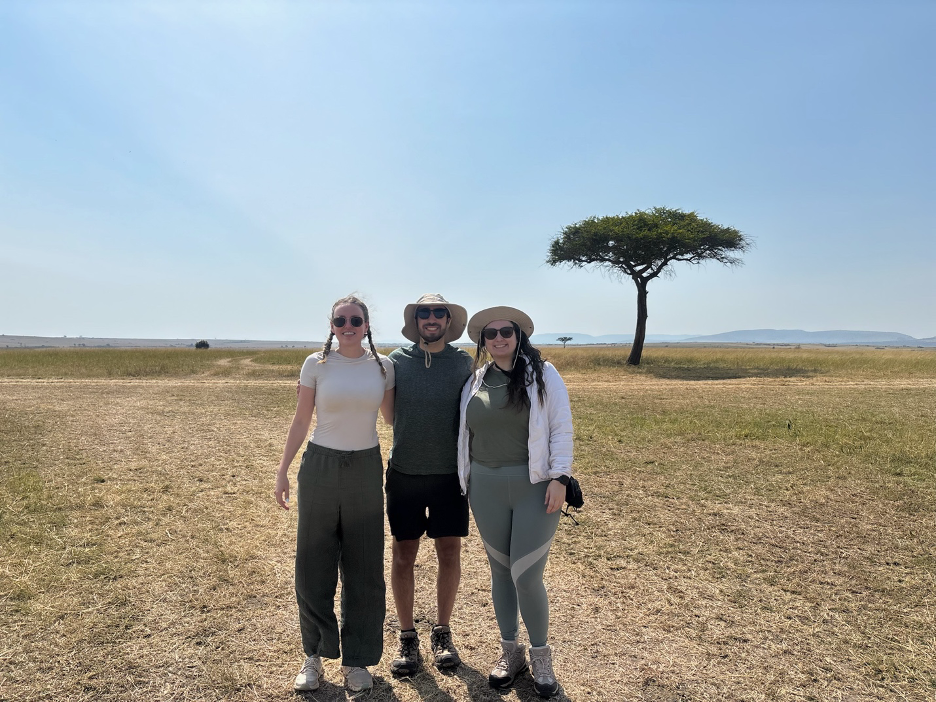
Outside of work, I met friends and explored the city, discovering a small but mighty expat community in Kigali. To my initial surprise, there is a steady stream of development economists and students arriving in the city, as there are many US academic partners with the International Growth Center (IGC) and IPA Rwanda. I also met many US medical students and European young professionals working in public health and development though weekly expat trivia at the semi-authentic local Italian restaurant. In my summer of trying new hobbies, I went to tennis lessons, Pilates and pottery classes, and numerous art centers showcasing vibrant East African art across the city. Over time, I became close with Rwandan coworkers and bonded over a shared love of dissecting reality TV. I learned how to negotiate with moto drivers to get to work and pay for everything through a complex series of codes on your telephone app that is comparable to Venmo in the United States. One of my favorite aspects of the region was the nature; in addition to the many green areas throughout Kigali that encourage time spending time outdoors in perfect weather, the national parks and their resident wildlife in Kenya, Rwanda, and Tanzania are as stunning as you’ve seen on social media.
No two internships are created equally, and the gui2de team went out of their way to ensure a smooth transition and productive summer. Having lived abroad before, I knew the pre-departure questions to ask, but they went a step further to share how to do each task. For example, suggesting not only that I use motos over taxis but also how to ride a moto (mount on the left side, hold onto the back rather than the driver), not only to negotiate with moto drivers but the general rate of 100 RWF per minute that I should insist on, and not only to load up my mobile money account but that I needed cash in Rwandan francs to do so. These small examples of the team going the extra mile to help me accumulate beginner cultural knowledge made a world of difference in quickly acclimating in Kigali. After three months in East Africa, I left grateful for the community, the wildlife encounters, and the privilege of supporting a national RCT scale-up.